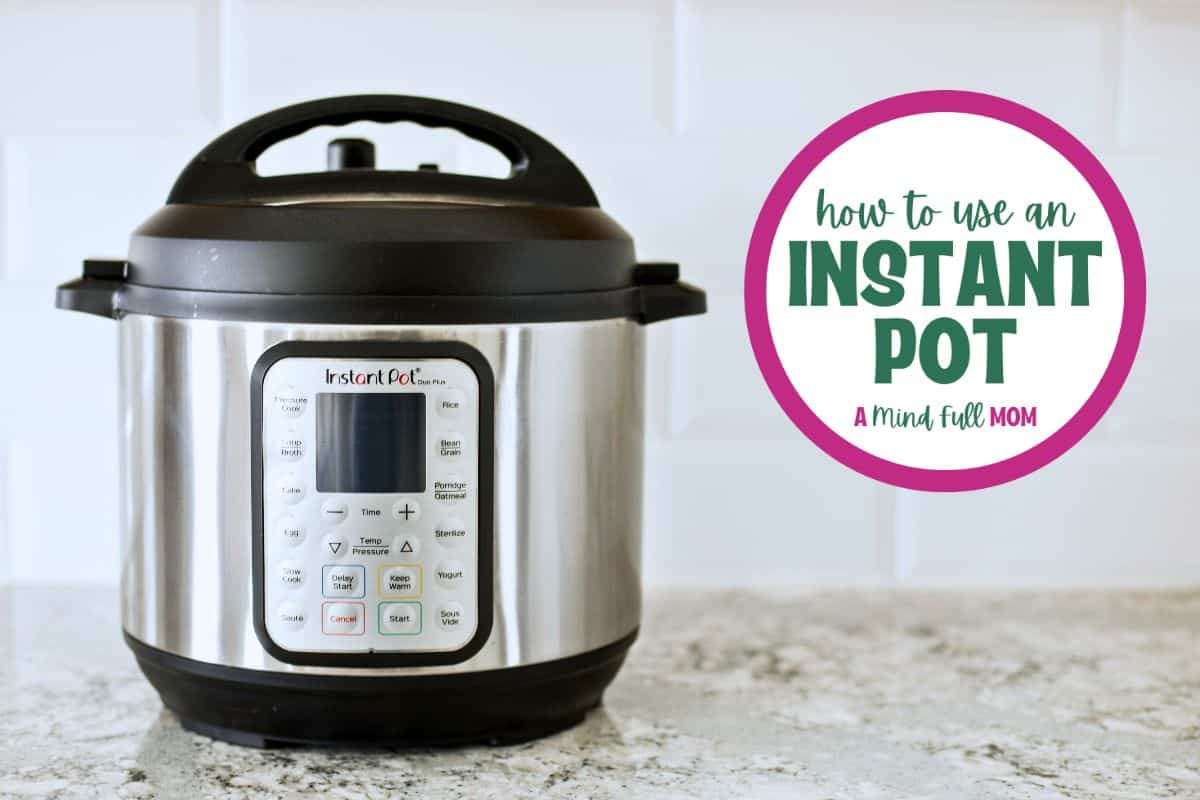
Instant Pot Explained: Understanding Its Safe & Easy Pressure Cooking
Are you curious about the culinary magic of the Instant Pot but feel a little intimidated by its array of buttons and functions? You're not alone! Many home cooks eye this popular kitchen appliance with a mix of excitement and apprehension. If you're wondering how to use Instant Pot, rest assured, you've come to the right place. This comprehensive guide will demystify the Instant Pot, explaining its core principles and guiding you through its safe and easy operation, transforming cooking from a chore into a joy.
The Instant Pot is far more than just a kitchen gadget; it's a multi-functional electric pressure cooker designed to make healthy, delicious meals accessible, even on the busiest days. Forget the loud, hissing stovetop pressure cookers of yesteryear that might have sparked tales of kitchen mishaps. Modern electric pressure cookers like the Instant Pot are engineered with safety and user-friendliness at their core, making them a reliable and indispensable tool for contemporary cooking.
Demystifying the Modern Pressure Cooker: How it Works
At its heart, the Instant Pot is an electric pressure cooker, but its capabilities extend far beyond. It combines the functions of several appliances, including a slow cooker, rice cooker, yogurt maker, sauté pan, and often even a sous vide machine, all in one sleek unit. However, its flagship feature—pressure cooking—is what truly sets it apart for speed and efficiency.
So, what exactly is pressure cooking, and how does the Instant Pot harness this power? The science is surprisingly simple and ingenious. When you add liquid to the inner pot and seal the lid, the Instant Pot's heating element rapidly brings that liquid to a boil. This process creates steam, which, trapped within the sealed environment, builds up enormous pressure. This high-pressure, high-temperature environment dramatically increases the boiling point of water, allowing food to cook much faster than conventional methods. Crucially, because food cooks in a sealed, steamy environment, it retains moisture, nutrients, and flavors remarkably well, often resulting in incredibly tender and succulent dishes.
One of the most fundamental rules of pressure cooking, and key to understanding how to use Instant Pot safely and effectively, is the necessity of liquid. As a general guideline, you'll almost always need at least one cup of liquid (water, broth, juice, etc.) in the inner pot to allow the unit to come to pressure. While there are some exceptions and variations based on specific recipes and ingredients, adhering to this minimum liquid requirement ensures proper pressure build-up and prevents scorching. Always consult your recipe for the exact amount, but remember: no liquid, no pressure!
Your First Steps: Unboxing and Identifying Components
The journey to mastering your Instant Pot begins long before you select a recipe. The very first step, which might seem obvious but is often delayed, is to simply unpack the box! Many enthusiasts confess to letting their new appliance sit untouched for days or even weeks. Today is the day to change that. Get it out of the box and on your countertop!
Once liberated from its packaging, it's time to get acquainted with the various pieces that make up your Instant Pot. While models vary slightly, especially if you have a Duo, Nova, Ultra, or another series, the core components remain consistent. For a detailed walkthrough of getting everything set up, check out our guide on Instant Pot Setup: From Unboxing to Your First Pressure Cook. Here are the main parts you'll encounter:
- The Main Base: This is the exterior housing where the heating element and control panel are located. It's the brains and power source of your Instant Pot.
- The Inner Stainless Steel Cooking Pot: This removable pot is where your food goes. It's designed for direct contact with food and is typically dishwasher safe for easy cleanup. Always ensure it's clean and properly seated in the base before cooking.
- The Lid: A critical component for pressure cooking, the lid features a silicone sealing ring on the underside, essential for creating an airtight seal. It also houses the steam release valve and the float valve, both crucial for pressure regulation.
- The Stainless Steel Trivet: This wire rack sits inside the inner pot and is used to elevate food above the liquid, perfect for steaming or "pot-in-pot" cooking. You won't use it for every recipe, but it's handy for many.
- The Electric Power Cord: This plugs into the back of the main base and connects your Instant Pot to a power outlet.
Navigating the Control Panel and Basic Operation
At first glance, the Instant Pot's control panel can appear overwhelming, adorned with numerous buttons and labels. It's a common source of intimidation for new users, but here's a secret: you'll only need to master a handful of settings to confidently start cooking. Forget about all the fancy presets for now and focus on the fundamentals.
To truly understand how to use Instant Pot for basic pressure cooking, familiarize yourself with these essential buttons:
- Pressure Cook / Manual Button: This is your primary pressure cooking button. Press it, then use the '+' and '-' (or up and down) arrow buttons to adjust your desired cooking time. For most recipes, you'll be using this setting.
- Pressure Level Button: This button allows you to toggle between "High" and "Low" pressure settings. For the vast majority of recipes, especially as a beginner, you'll want to ensure it's set to "High" pressure.
- Cancel Button: Your emergency stop button. If you need to stop a program, cancel a setting, or turn off the Instant Pot, simply press "Cancel."
Now, let's walk through the initial steps to get your Instant Pot ready for its first cooking adventure:
- Placement: Position your Instant Pot on a stable, level countertop or table. Ensure there's ample open space above the pot, especially if you plan to use the quick release method, as steam will vigorously eject upwards from the lid.
- Insert and Plug In: Make sure the inner pot is clean and properly seated within the cooker base. Then, plug the power cord into a wall socket. The Instant Pot will typically switch on and display an "OFF" status on the control panel. This indicates it's in standby mode, ready for your commands.
- Initial Water Test: While not a cooking step, performing an Instant Pot Duo Beginner's Guide: Start Cooking Safely & Easily often recommends an initial water test. This process helps you get comfortable with the machine's operation, how it builds and releases pressure, and ensures all parts are functioning correctly before you commit actual food. It's a confidence-builder and highly recommended for all first-time users.
Essential Tips for Success Before You Cook
Beyond the basic steps, a few foundational tips will ensure a smooth and enjoyable Instant Pot experience:
- Always Check the Sealing Ring: Before each use, quickly inspect the silicone sealing ring inside the lid. Ensure it's clean and properly seated in its groove. A misplaced or damaged ring can prevent the pot from coming to pressure.
- Close the Sealing Valve: For pressure cooking, the steam release handle (or quick release button/switch) on the lid must be set to the "Sealing" position. If it's open, pressure won't build.
- Don't Overfill: Never fill the inner pot above the MAX PC (Maximum Pressure Cooking) line, which is typically 2/3 full, or 1/2 full for foods that expand, like beans or grains.
- Listen and Learn: Pay attention to the sounds and indicators. The float valve will rise when pressure is achieved, and you'll hear a slight click. The display will often change from "On" to the countdown timer once pressure is reached.
The Instant Pot is a phenomenal tool that simplifies cooking, but like any new appliance, it has a learning curve. By understanding its fundamental principles, familiarizing yourself with its parts, and focusing on the core buttons, you'll quickly gain confidence. The intimidation factor will fade, replaced by the satisfaction of creating quick, healthy, and delicious meals with ease. So, take a deep breath, follow these steps, and get ready to unlock a world of culinary possibilities!
